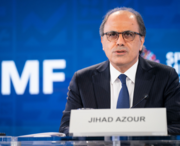
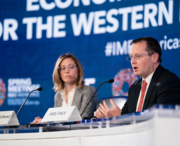
Following exceptional pandemic support, governments should foster disinflation and financial stability while protecting the most vulnerable and safeguarding public finances, according to the IMF’s latest Fiscal Monitor. Writing in a blog, Vitor Gaspar, director of the IMF’s Fiscal Affairs Department, said that fiscal policy has moved a long way toward normalization since the pandemic. Governments have withdrawn exceptional fiscal support, and public debt and deficits are falling from record levels. That’s happening amid high inflation, rising borrowing costs, a weaker growth outlook, and elevated financial risks. Debt sustainability is a cause for concern in many countries. “Amid high inflation, tightening financing conditions, and elevated debt, policymakers should prioritize keeping fiscal policy consistent with central bank policies to promote price and financial stability,” Gaspar said. “Tighter fiscal policies require better targeted safety nets to protect the most vulnerable households, including addressing food insecurity, while containing overall spending growth, as governments are likely to confront social pressures to compensate for past increases in the cost of living.” At a press conference, Gaspar answered reporters’ questions on public debt, inflation, China, India and sub-Saharan Africa. |