Σελίδες

Τρίτη 22 Αυγούστου 2023

ΟΒΑΜΑ latest news


The Obama Foundation rising sun logo in black is placed in a white circle surrounded by colors behind it.The words "Obama Leadership Network Newsletter" are centered below the logo.
Hi there,I’m Abnner Olivares. 

Earlier this summer, I left my home of Los Angeles to embark on my self-designed 12-week Summer Voyage as part of the Voyager Scholarship, the Obama-Chesky Scholarship for Public Service.

I traveled to six cities across the United States to learn more about the rising housing unaffordability and chronic homelessness these cities are struggling with as they also experience unprecedented economic growth. 

In addition to talking with locals and attending city council meetings, I put together a syllabus of relevant books to help put my experiences in context and to learn more about these cities. 

I’d like to share a few of them with you now. Read on to hear more about my journey, then learn more about the Voyager Scholarship here.


Portland, Oregon

 
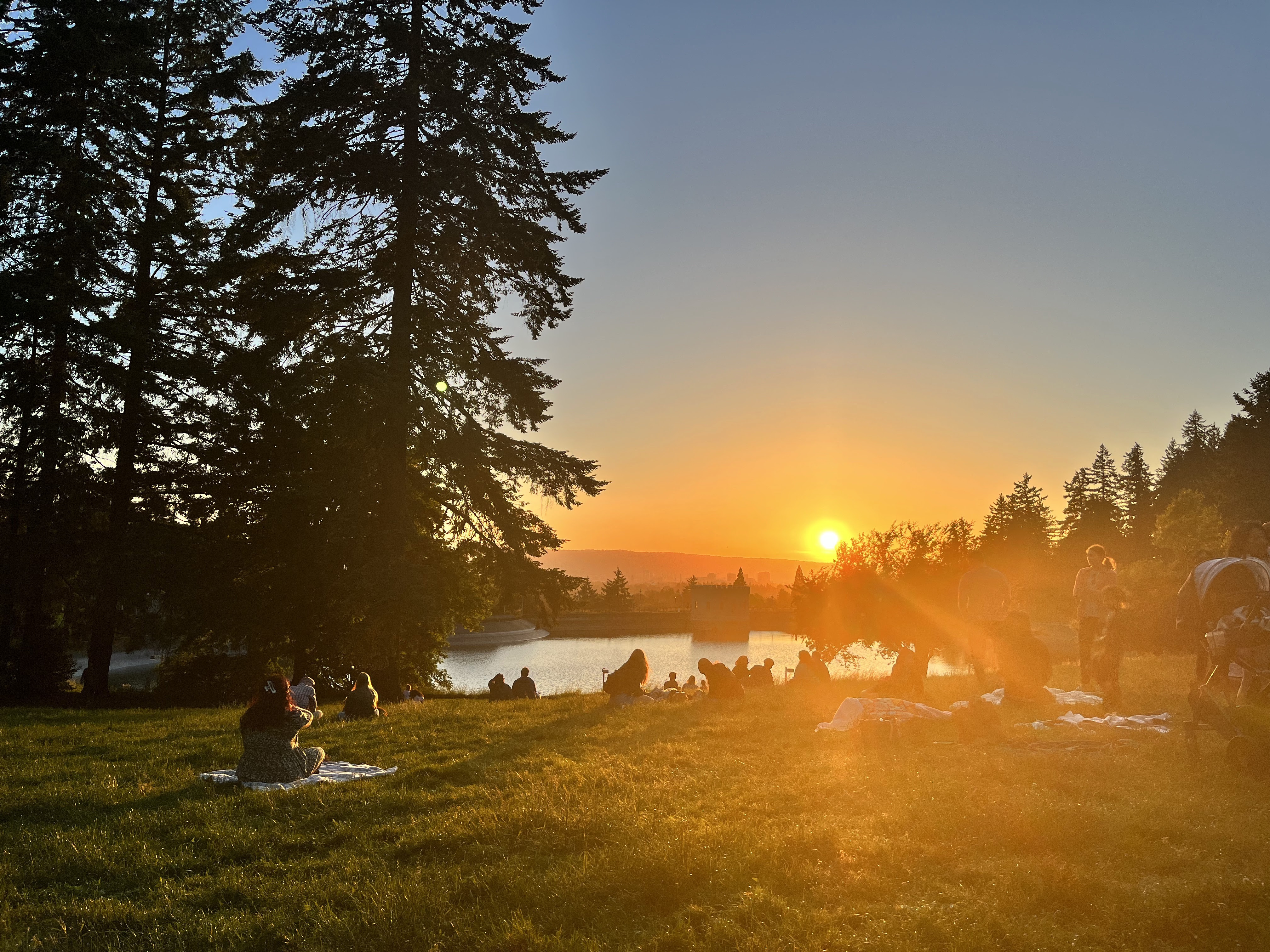
The sun is setting beneath a hill in the background, in the foreground is a park where many people are sitting on blankets, with pine trees surrounding a small body of water

The first stop on my journey was Portland where I read Evicted by Matthew Desmond. When I was researching my reading list for this trip, Evicted consistently came up as an entry point to the subject, and it was an appropriate entry point for me, too. The book is a portrait of how housing policies affect real people, which is essentially what I’m hoping to learn as I hear peoples’ stories across the country.

I first read the book while laying in a park in Portland, reflecting on the stark difference in density between the city and other places I’ve lived. I’ve kept a copy with me throughout the summer and it continues to resonate. 


Detroit, Michigan

A large group of people is shown from behind, of all skin tones and colors of dress, facing a stage with the words "Detroit's Black Wall Street" on the screen.

A Detroit Story by Claire Herbert, which I read halfway through my time in Detroit, changed the way I looked at the city. Herbert’s book discusses people in Detroit who live informally on abandoned plots of land. While they don’t own the houses, they put in the time and effort to care for the dwellings because the city lacks the resources to do so. 

After I read this book, I noticed more and more of the abandoned lots Herbert referenced. While there’s no substitute for speaking to people about their lived experiences, books like Herberts’ have helped me learn how to ask better questions and view these cities in a broader context.


Baltimore, Maryland   

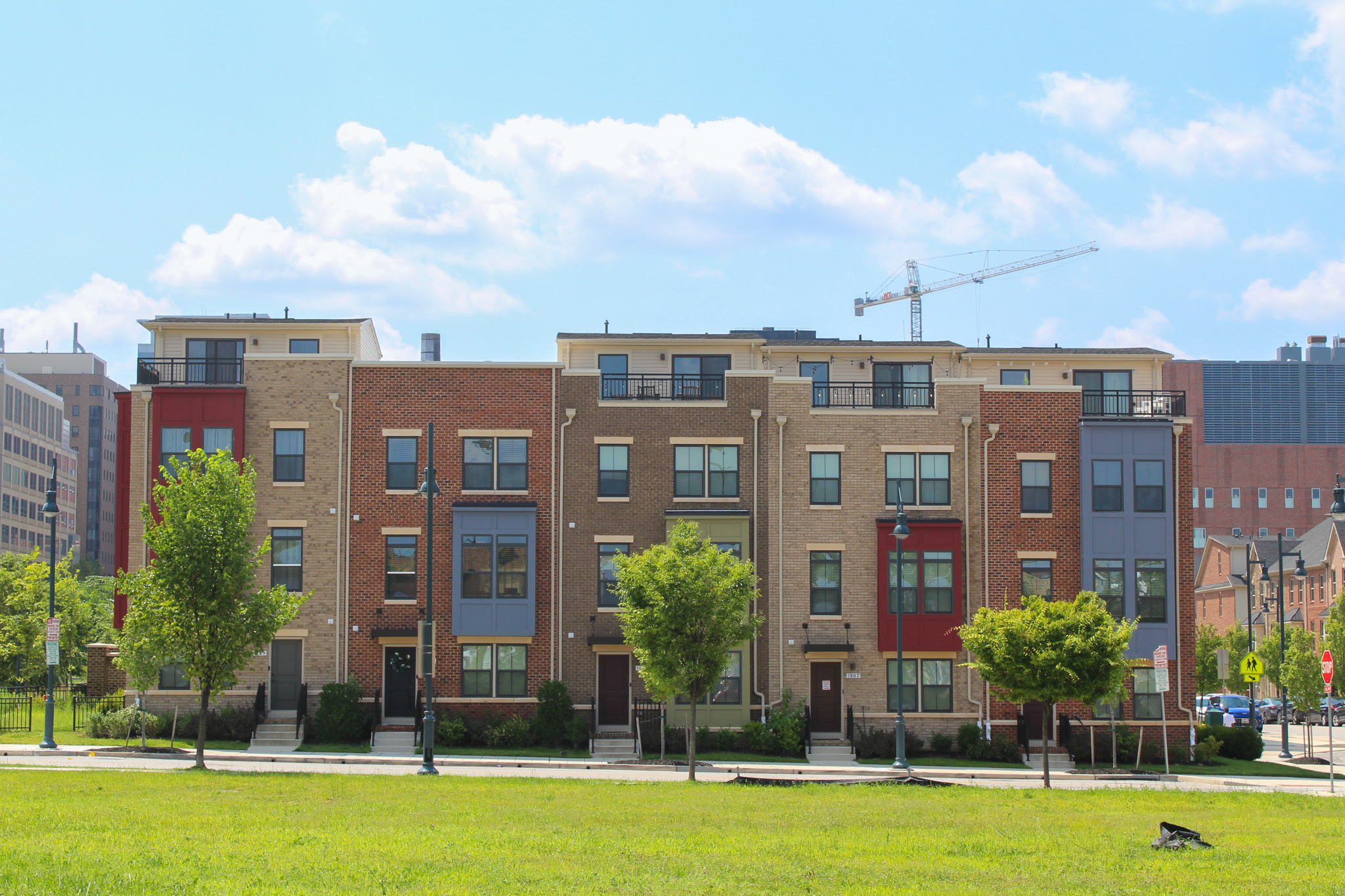
A building with multiple units made up of different colored bricks and paint set against a blue sky with clouds and a crane, with a few small trees and a green lawn in front of it.

Right now, I’m at the last stop of my Summer Voyage, Baltimore, reading The Fight to Save the Town by Michelle Anderson. I thought a lot about this book, which centers on four small towns that lack resources for basic needs like public safety, while exploring an exhibit at the public library about the 2020 police brutality protests.

Many have left Baltimore in recent years because of concerns like rising crime rates, but Anderson’s book shows how small towns face issues with public safety in different ways. Reflecting on this brought me back to the core question I started my Summer Voyage with: How do we create development that preserves the core values we care about?

Soon, I’ll be heading back to college for my senior year, but my focus on affordable housing and urban policy doesn’t end here. 

I’m excited to embark on the second year of the Voyager Scholarship program, which will focus on career development and provide me with guidance and resources to inform my next step in my public service journey. 

Then, I hope to eventually take this new knowledge home to Los Angeles. My Summer Voyage gave me a lot of important context about how other cities and states are handling issues of housing and rapid growth, which are challenges my hometown is also facing. 

Thanks for taking the time to hear about my Summer Voyage, and again, if you’d like to learn more about the scholarship and hear about what the other Voyagers have been up to, please click here.  

–Abnner

2022 – 2024 Voyager


DONATE NOW