
Act Now… pledge for (a better) Future!
Language: EN
Document available also in: HR
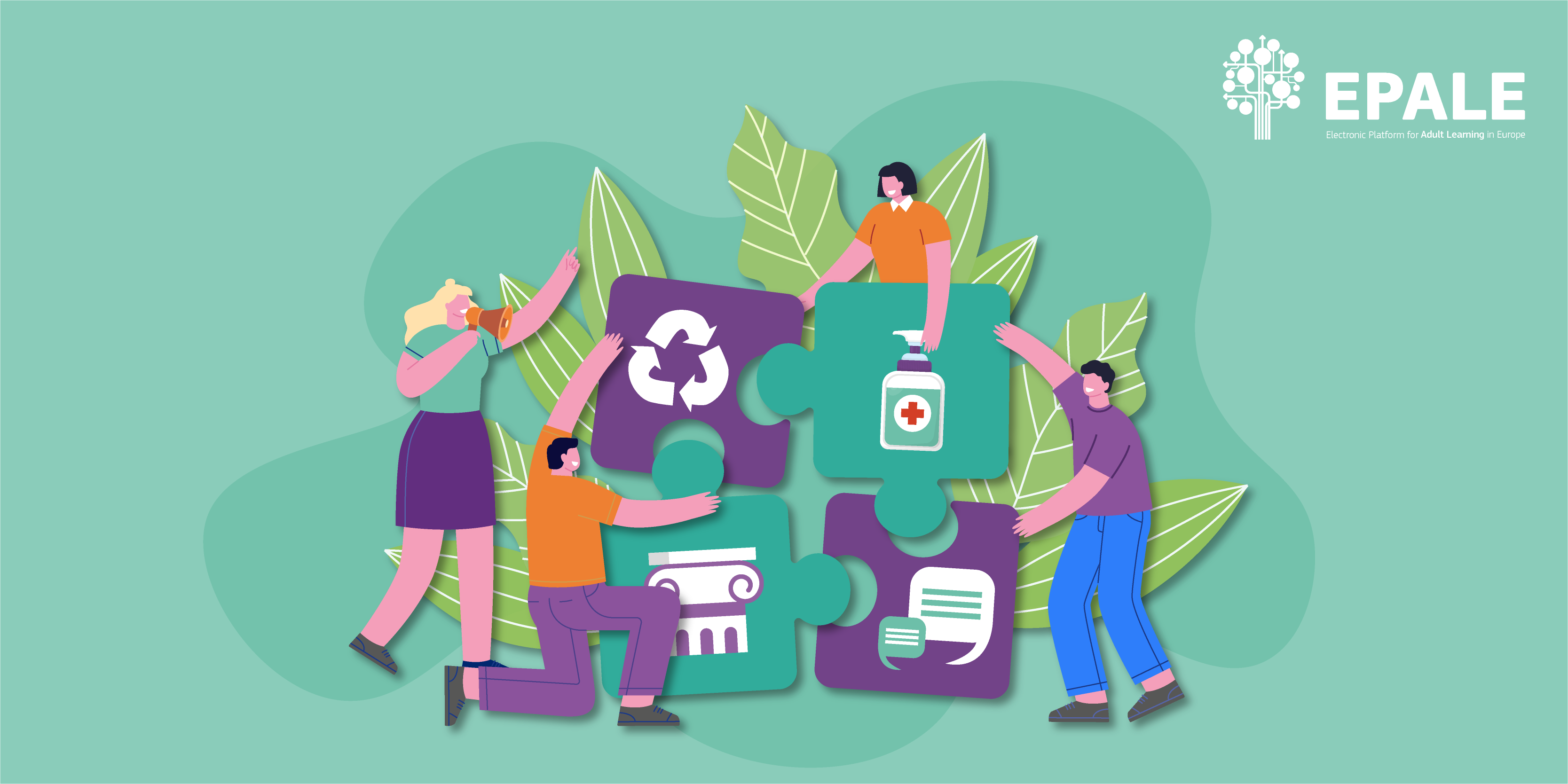
The current worldwide health emergency has highlighted how swift action and cooperation are essential to reduce the impacts that the Coronavirus disease (COVID-19) pandemic could potentially have both in the short and the long term. Following these two principles, the Global community is reacting courageously to the most urgent issues with millions of men and women around the world actively contributing to saving lives and avoiding the socio-economic collapse of many countries.
What about us? How can we contribute to the heartfelt appeal by the WHO Director-General, Dr Tedros Adhanom Ghebreyesus, released on 27th of March at the media briefing on COVID-19? How can we make the most of the time we are spending at home?
Of course, we should all respect the “Five steps to kicking our coronavirus” jointly promoted by WHO and FIFA through a new awareness video campaign led by world-renowned footballers, focused on hand washing, coughing etiquette, not touching your face, physical distancing and staying home if feeling unwell. On the other hand, besides respecting the behavioural norms mentioned above and the restrictive measures taken by the most affected countries, we have the opportunity to take part in one of the many online initiatives that are calling for forward-looking ideas for a better future. In particular, with active citizenship being one of the pillars of adult education, we invite all the members of the EPALE community to endorse personally one or more of the following campaigns.
Voice for the Planet was launched at the World Economic Forum in 2019 by the Global Shapers movement. This changemakers global platform shows a beautiful interactive globe integrated with an automatic georeferencing of people who have made pledges to take sustainable actions. Anyone can add his/her voice and pledge for five different changes: (1) change the way I eat; (2) embrace renewable energy; (3) restore the natural habit where I live; (4) change what I buy; (5) ask my government leaders to protect nature.
Members who are passionate about the arts and cultural heritage may be interested to know that EUROPEANA, the European Digital Library, has just announced a new action on climate change. The Europeana Network Association represents galleries, libraries, archives, museums, as well as cultural heritage institutions and professionals from all over Europe that want to express their support for pursuing meaningful climate action and encouraging the Europeana Initiative towards discussion and collective action.
Those who prefer to see immediate results from their efforts may wish to take the chance to experience a digital co-production marathon, also known as hackathons, and propose ideas and share expertise with the international community of developers and IT specialists who will meet to compete during one of the upcoming hackathons promoted by the thematic platform Hackathon.com.
And if you want to learn more about environmental activism before putting yourself on the frontline, you can start following the “Talks for Future”. This series of weekly webinars is promoted by the international movement #FridaysForFuture and was launched last 27 March with an inspired speech by Naomi Klein, the Canadian author and social activist, and Diarmid Campbell-Lendrum, Head of WHO climate change unit.
Last, but by no means least, don’t forget that you can support the health research on COVID-19 by simply donating the computational power of your computer. Folding@home (FAH or F@h) is a distributed computing project for simulating protein dynamics working on the process of protein folding and the movements of proteins involved in a variety of different diseases. It involves scientists volunteering to run simulations of protein dynamics on their personal computers. Insights from this data are helping scientists to better understand biology and to provide new opportunities for developing therapeutics.