Σελίδες

Πέμπτη 4 Οκτωβρίου 2018

IMF interesting latest news

Diálogo a fondo
Lee nuestra más reciente análisis sobre los efectos a largo plazo de la crisis financiera global, qué es necesario para hacer el sistema financiero más seguro, y si las economías emergentes pueden mantener una inflación baja y estable.
10/03/2018 
En el año siguiente a la crisis financiera mundial de 2008, la actividad económica se contrajo en la mitad de los países del mundo. 
10/03/2018 
Desde mediados de la década de 2000, la inflación de las economías de mercados emergentes se ha mantenido notablemente baja y estable, en marcado contraste con la de 1990.
Climate change in Southeast Asia, Harvard economist Raj Chetty, global cybercrime and more

international monetary fund
September 2018 Issue

TOP ARTICLE THIS WEEK

BoilingPoint

Typhoons and floods are becoming more intense and frequent as Vietnam and the rest of Southeast Asia bear the brunt of climate change. Long coastlines and heavily populated low-lying areas make the region of more than 640 million people one of the world’s most vulnerable to weather extremes and rising sea levels associated with global warming. Governments are under pressure to act quickly or risk giving up improvements in living standards achieved through decades of export-driven growth.
Southeast Asia faces a dual challenge. It not only must adapt to climate change caused largely by greenhouse gases emitted over decades by advanced economies—and more recently by developing economies such as China and India—it also must alter development strategies that are increasingly contributing to global warming. The region’s growing reliance on coal and oil, along with deforestation, are undermining national pledges to curb emissions and embrace cleaner energy sources.

EDITORS' PICKS

Raj
Data Evangelist: Economist Raj Chetty: Reshaping the study of social mobility with big data

(عربي | español | français | русский | 中文)
_________________________
DigitalAsean
On The Cusp: Poised to become digital-first economies, ASEAN countries still face core challenges

(عربي | español | français | русский | 日本語 | 中文)
_________________________
Cybercrime
The Industrialization of Cybercrime: Cybercrime is now a mature industry operating on principles much like those of legitimate businesses in pursuit of profit

(عربي | español | français | русский | 中文)
_________________________
Bitcoin2
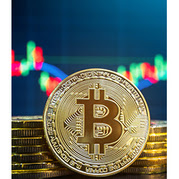
A Short History of Crypto Euphoria: An eminent economist’s taxonomy of bubbles is applied to the latest financial fad

(عربي | español | français | русский | 中文)
_________________________
Taj
Public Finance Goes Digital: Technology is reshaping how governments raise and spend money

(عربي | español | français | русский | 中文 | 日本語)

READ THE SEPTEMBER 2018 ISSUE

September2018

PREVIOUS ISSUES OF F&D

June
Money, Transformed: The Future of Currency in a Digital World (June 2018)
In the past few years, financial technology—fintech for short—has caught the world’s imagination by offering alternatives to traditional means of payment. This issue looks at whether digitalization will redefine money—and the possible consequences, both good and bad.

(عربي | français | español | Русский | 中文 | 日本語)
_________________________
March
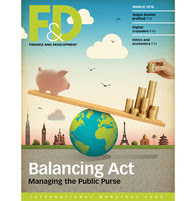
Balancing Act: Managing the Public Purse (March 2018)In many countries, the future has been mortgaged by high public and private debt, which jeopardizes growth if not managed well. In this issue we ask, “How much debt is too much?”

ABOUT F&D MAGAZINE

Finance & Development, the IMF's quarterly print magazine and online editorial platform, publishes cutting-edge analysis and insight on the latest trends and research in international finance, economics, and development. F&D is published quarterly in English, Arabic, Chinese, French, Russian, and Spanish, and is written by both IMF staff and prominent international experts. F&D is read by leading policymakers, academics, economic practitioners, and development professionals around the world.